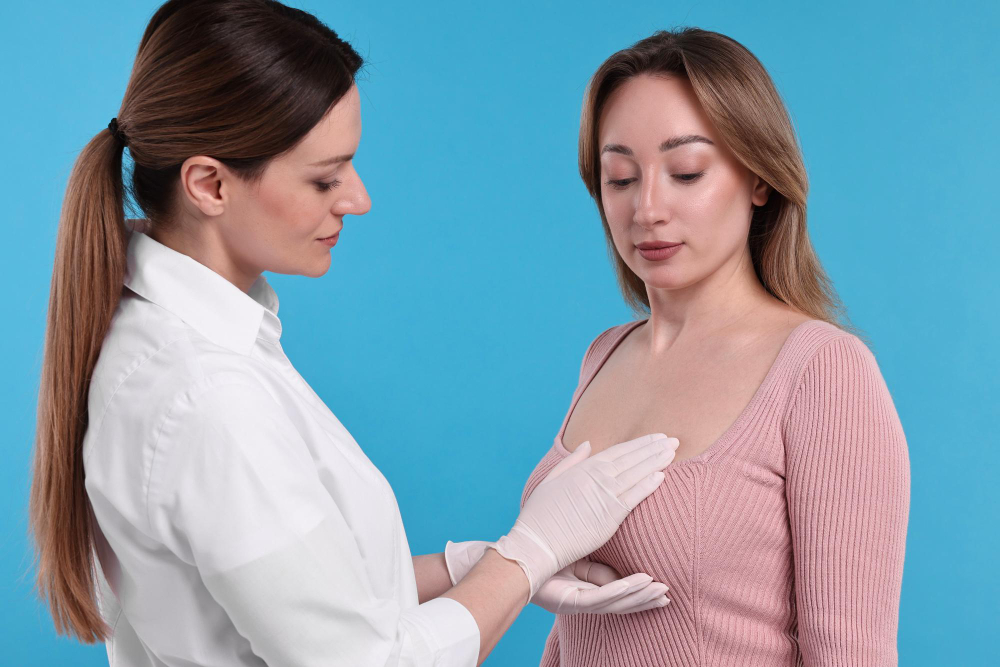
What Is a Mastectomy?
A mastectomy is a surgery to remove one or both breasts. Doctors often recommend it to treat or prevent breast cancer. Many people have questions about the mastectomy procedure and what to expect. This guide will help you understand the basics, recovery tips, and patient support.
Why Is a Mastectomy Performed?
Doctors may suggest a mastectomy for several reasons. Most often, it is done to treat breast cancer. However, some people choose it to lower their risk if they have a strong family history. Sometimes, other treatments like radiation or lumpectomy are not suitable. In these cases, a mastectomy may be the best option.
Types of Mastectomy Procedures
There are different types of mastectomy. Each type depends on your health and cancer stage. Your doctor will explain which is right for you. For example, some people may need only part of the breast removed, while others need the whole breast removed.
Preparing for Mastectomy Surgery
Before surgery, your doctor will explain the steps. You may need blood tests or scans. Sometimes, you will meet with an anesthesiologist. It is important to share your medical history and any medicines you take. In addition, you may need to stop eating or drinking a few hours before surgery. Your care team will give you clear instructions.
The Mastectomy Procedure: What to Expect
On the day of surgery, you will check into the hospital. First, the team will help you get ready. Next, you will receive anesthesia so you do not feel pain. The surgeon will then remove the breast tissue as planned. Sometimes, lymph nodes are also removed. The surgery usually takes one to three hours. Afterward, you will wake up in a recovery room.
Recovery and Mastectomy Aftercare
Recovery from a mastectomy can take a few weeks. However, everyone heals at their own pace. You may feel tired or sore at first. Your care team will help manage pain and prevent infection. Here are some mastectomy recovery tips:
In addition, you may have drains to remove extra fluid. Your nurse will show you how to care for them. Most people can return to normal activities in four to six weeks.
Risks and Potential Complications
Like all surgeries, a mastectomy has risks. Most people recover well, but problems can happen. It is important to know what to watch for. Common risks include:
If you notice unusual pain, swelling, or fever, contact your doctor right away. Early care can prevent serious problems.
Emotional and Psychological Aspects
Undergoing a mastectomy can affect your emotions. Many people feel sad, anxious, or worried about their body image. It is normal to need time to adjust. Talking with a counselor or support group can help. Family and friends can also provide comfort. Remember, you are not alone in this journey.
Lifestyle Tips and Support Resources
After a mastectomy, you may need to make some changes. However, many people return to their usual lives. Here are some helpful tips:
Many hospitals and cancer centers offer resources for patients. You can also find help from groups like the American Cancer Society or Breastcancer.org.
Prevention and Early Detection of Breast Cancer
While a mastectomy treats or prevents breast cancer, early detection is key. Regular breast exams and mammograms help find problems early. If you have a family history, talk to your doctor about genetic testing. Healthy habits, such as not smoking and staying active, may also lower your risk.
When to Consult a General or Transplant Surgeon
If you notice a lump, changes in your breast, or have a family history of breast cancer, see your doctor. They may refer you to a general or transplant surgeon for further care. Early advice can help you make the best choices for your health.
Conclusion
A mastectomy is a major step, but with proper care and support, many people recover well and go on to live healthy lives. Under the guidance of Dr. N Venkatesh, patients are supported through treatment planning, recovery, and follow-up care to achieve the best possible outcomes. Following medical advice and using available support resources with Dr. N Venkatesh can make recovery smoother and more confident.
For personalised advice and guidance about mastectomy, consult Dr. N Venkatesh.