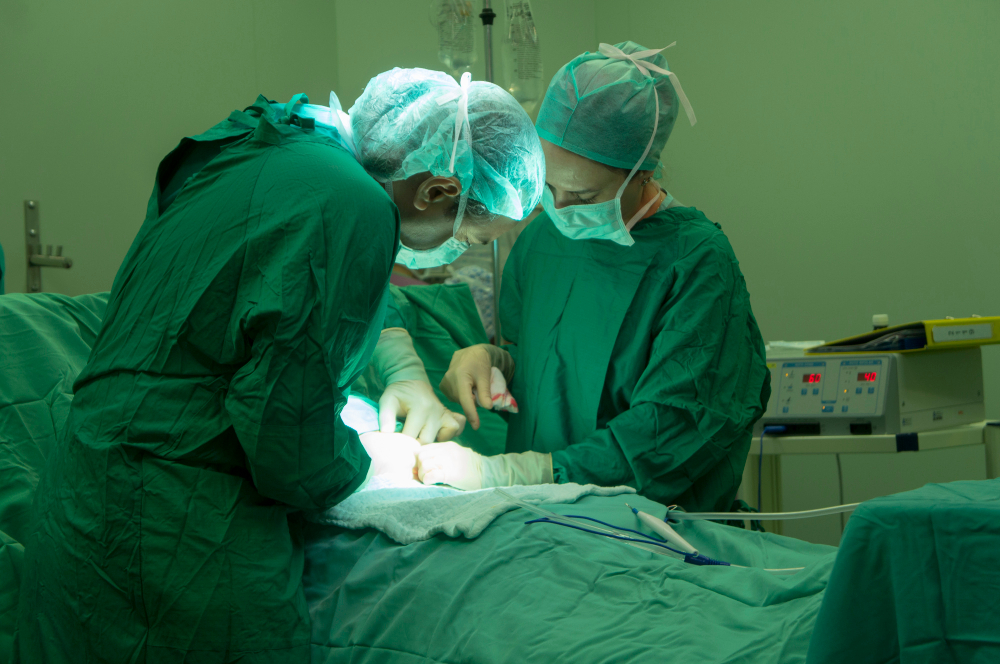
What Is Lap Cholecystectomy?
Lap cholecystectomy is a minimally invasive surgery to remove the gallbladder. Doctors often call it laparoscopic gallbladder removal. This procedure uses small cuts and a camera to guide the surgeon. Because of this, it usually causes less pain and helps people recover faster. Many people need this surgery if they have gallstones or gallbladder problems.
Why Is Lap Cholecystectomy Needed?
Doctors may suggest lap cholecystectomy for several reasons. Most often, it is done to treat:
Sometimes, people have symptoms like sharp pain in the upper right belly, nausea, or vomiting. If these problems do not improve, surgery may be the best choice.
How to Prepare for Lap Cholecystectomy
Before surgery, your doctor will give you clear instructions. Usually, you will need to:
In addition, your doctor may order blood tests or an ultrasound. These tests help make sure you are ready for surgery.
Step-by-Step: The Lap Cholecystectomy Procedure
During lap cholecystectomy, the surgeon follows these steps:
Most surgeries take about one to two hours. Because the cuts are small, you may heal faster than with open surgery.
Benefits of Lap Cholecystectomy
Lap cholecystectomy offers many advantages. For example:
Because of these benefits, many people choose this minimally invasive gallbladder surgery.
Possible Risks and Complications
Although lap cholecystectomy is safe, every surgery has risks. Some possible problems include:
However, serious complications are rare. Your surgeon will talk with you about these risks before the procedure. According to the CDC, most people recover without major issues.
Recovery After Lap Cholecystectomy
After surgery, you will spend a few hours in the recovery room. Many people go home the same day. However, some may stay overnight. During recovery, you may feel sore or tired. To help your body heal, follow your doctor’s advice. Here are some tips:
Most people return to normal activities within one to two weeks. However, heavy lifting should wait until your doctor says it is safe.
Aftercare and Lifestyle Tips
After lap cholecystectomy, you can live a normal life without a gallbladder. Still, some people notice mild changes in digestion. To feel your best, try these tips:
If you have ongoing stomach problems, talk to your doctor. They can help you adjust your diet or suggest other steps.
Preventing Gallbladder Problems
While you cannot always prevent gallbladder issues, healthy habits may lower your risk. For example:
These steps can support your overall health and may help prevent gallstones.
Conclusion
Lap cholecystectomy is a safe and effective way to treat gallbladder problems, offering faster recovery because it is minimally invasive. Under the care of Dr. N Venkatesh, patients are carefully evaluated to ensure laparoscopic gallbladder removal is the right option for their condition. With proper surgical planning and post-operative care from Dr. N Venkatesh, most people recover quickly and return to daily activities sooner.
If you have questions about lap cholecystectomy, consult Dr. N Venkatesh for personalised surgical advice.