What is a Hernia?
A hernia happens when an organ or tissue pushes through a weak spot in the muscle or tissue wall. Usually, hernias appear in the belly or groin. Hernia repair made easy means understanding the basics first. While some hernias are small, others can grow larger over time. Most hernias do not go away on their own. Instead, they may need medical care. According to the World Health Organization, hernias are common and affect people of all ages.
Common Symptoms of Hernias
Hernias can cause different symptoms. However, some signs are easy to spot. Knowing these can help you seek help early. Look for:
If you notice any of these symptoms, it is important to talk to a doctor. Sometimes, hernias can cause serious problems if left untreated.
Causes and Risk Factors
Many things can cause a hernia. For example, weak muscles or strain can lead to hernias. Some common causes and risk factors include:
While anyone can get a hernia, men are more likely to have them. Age can also increase your risk. Therefore, knowing your risk can help you take steps to prevent hernias.
How Hernias are Diagnosed
Doctors use simple steps to diagnose hernias. First, they ask about your symptoms. Next, they check for a bulge or lump during a physical exam. Sometimes, doctors use tests to confirm the diagnosis. These may include:
These tests help doctors see the hernia clearly. As a result, they can plan the best treatment. Early diagnosis makes hernia repair made easy and safe.
Hernia Repair Made Easy: Modern Treatment Options
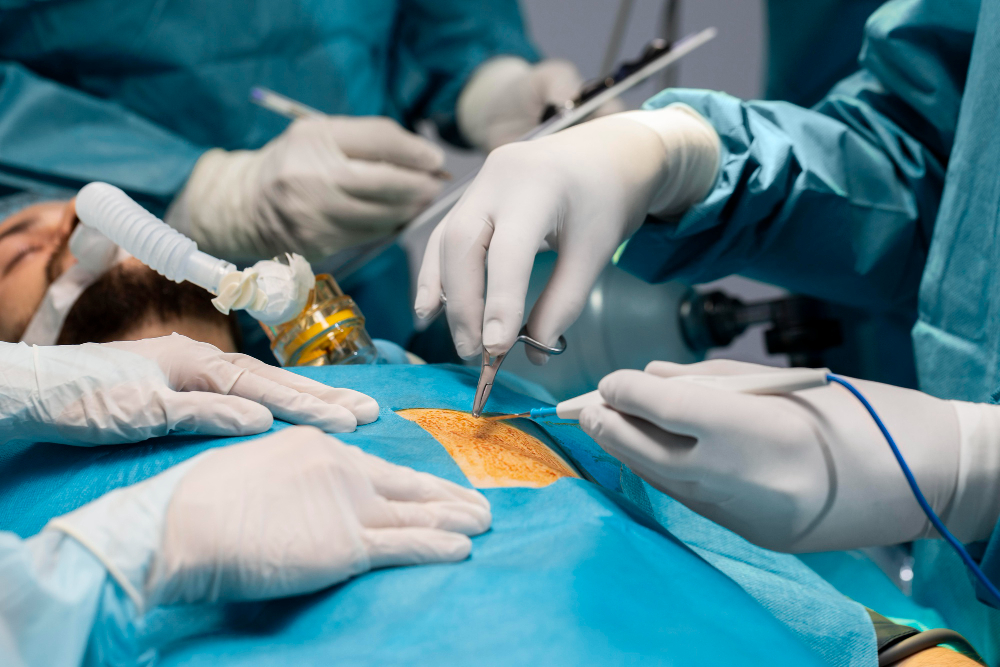
Today, hernia repair is safer and easier than ever. Doctors use several methods to fix hernias. The main goal is to return the tissue to its place and strengthen the weak spot. Here are some modern treatment options:
Doctors choose the best method based on your health and hernia type. Most people can go home the same day. Safe hernia treatment is now possible with these advanced options.
Recovery and Aftercare Tips
After hernia repair, taking care of yourself is important. Recovery times can vary, but most people feel better within a few days. To help your healing, follow these hernia recovery tips:
With proper care, most people return to normal activities quickly. However, always listen to your body and avoid heavy lifting until your doctor says it is safe.
Prevention and Lifestyle Guidance
While not all hernias can be prevented, you can reduce your risk with a few simple lifestyle changes:
These small steps can help protect you from future hernias—prevention is always easier than treatment.
In summary, hernia repair has become simpler and safer with early diagnosis and modern surgical techniques. If you think you may have a hernia, consult Dr. N. Venkatesh for personalised hernia repair advice and the right treatment plan.