Introduction
Laparoscopic appendectomy is a minimally invasive surgery to remove the appendix. Doctors often choose this method because it uses small cuts and special tools. As a result, patients usually heal faster and have less pain. The main goal of this surgery is to treat appendicitis, which is when the appendix becomes swollen or infected. According to the CDC, appendicitis is a common emergency that needs quick treatment. If left untreated, it can cause serious health problems.
Symptoms Leading to Appendectomy
Appendicitis can cause several warning signs. Early treatment is important, so watch for these symptoms:
Sometimes, symptoms may be mild at first. However, they can get worse quickly. If you notice these signs, seek medical help right away.
Causes of Appendicitis
Appendicitis happens when the appendix gets blocked. This blockage can be caused by:
Once blocked, bacteria can grow inside the appendix. This leads to swelling, pain, and sometimes a burst appendix. Because of this, quick treatment is very important.
Diagnosis Process
Doctors use several steps to diagnose appendicitis. First, they ask about your symptoms and do a physical exam. Next, they may order tests such as:
These tests help confirm if you need a laparoscopic appendectomy. Early diagnosis can prevent serious problems.
Detailed Overview of the Laparoscopic Appendectomy Procedure
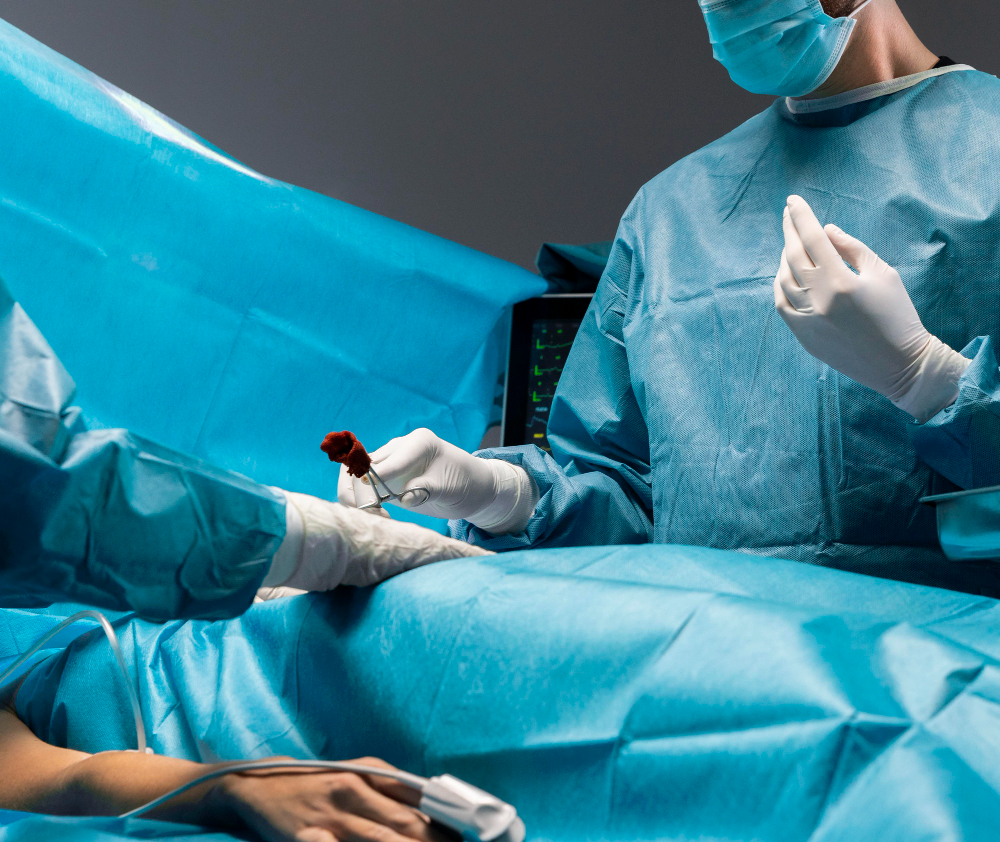
Laparoscopic appendectomy uses small cuts and a camera to remove the appendix. Here is what happens during the surgery:
This minimally invasive appendectomy usually takes about one hour. Because the cuts are small, most people recover faster than with open surgery.
Recovery Timeline and Tips
Most people go home within one or two days after a laparoscopic appendectomy. However, full recovery can take one to three weeks. Here are some tips to help you heal:
Most people feel better each day. Still, it is normal to feel tired or sore for a week or two. If you notice redness, swelling, or fever, contact your doctor right away.
Potential Risks and Complications
Laparoscopic appendectomy is safe for most people. However, as with any surgery, there are some risks. These may include:
Serious problems are rare. But, knowing the risks can help you watch for warning signs after surgery.
Prevention and Lifestyle Guidance
There is no sure way to prevent appendicitis. However, some healthy habits may lower your risk. For example:
These steps support good digestion and may help prevent blockages in the appendix.
When to Consult a Doctor
If you have sudden belly pain—especially in the lower right side—see a doctor quickly. Fever, vomiting, or loss of appetite are also warning signs that should never be ignored. Early treatment can prevent serious complications.
After a laparoscopic appendectomy, contact your doctor immediately if you notice:
Prompt care ensures a safe and smooth recovery.
For personalised guidance on laparoscopic appendectomy and expert post-surgery support, consult Dr. N. Venkatesh today.