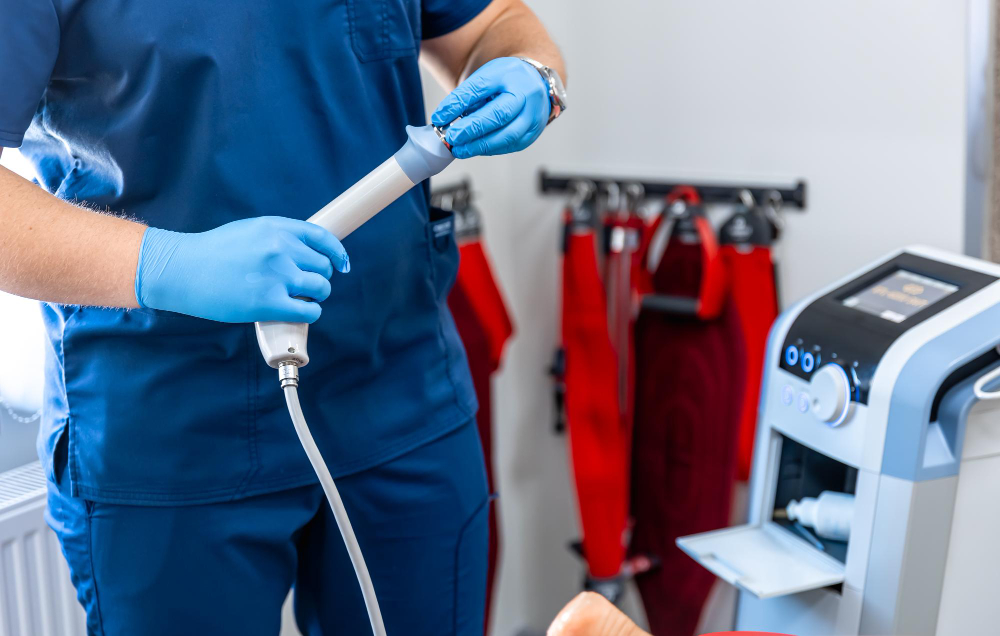
What is Laser Sphincterotomy?
Laser sphincterotomy is a medical procedure that uses a laser to treat problems with the anal sphincter muscle. This muscle controls the opening and closing of the anus. Often, doctors use this procedure to help people with chronic anal fissures. These are small tears in the lining of the anus that can cause pain and bleeding. The laser sphincterotomy procedure is less invasive than traditional surgery. It offers a modern way to relieve discomfort and promote healing.
How Does the Laser Sphincterotomy Procedure Work?
During a laser sphincterotomy, a doctor uses a special laser to make a small cut in the sphincter muscle. This helps the muscle relax. As a result, blood flow improves and the fissure can heal. The steps usually include:
Because the laser is very accurate, there is less damage to nearby tissue. This means less pain and faster healing for most people.
Indications: Who Needs Laser Sphincterotomy?
Doctors may suggest laser sphincterotomy for people who have:
However, not everyone is a good candidate. For example, people with certain health conditions may need other treatments. Always talk to your doctor to see if this procedure is right for you.
Benefits of Laser Sphincterotomy
Laser sphincterotomy offers several advantages over traditional surgery. Some key benefits include:
Additionally, many patients can return to normal activities sooner. According to studies published in peer-reviewed journals, laser treatments often lead to high patient satisfaction (PubMed).
Risks and Possible Complications
Like any surgery, laser sphincterotomy has some risks. These may include:
However, most people recover without serious problems. Still, it is important to follow your doctor’s advice and report any unusual symptoms right away.
Recovery and Aftercare Tips
After a laser sphincterotomy, recovery is usually quick. Even so, you should take some steps to heal well:
Most people can return to work or school within a few days. But, always ask your doctor before resuming normal activities.
Frequently Asked Questions
If you think you may need this procedure, consult Dr. N Venkatesh to learn if laser sphincterotomy is right for you.