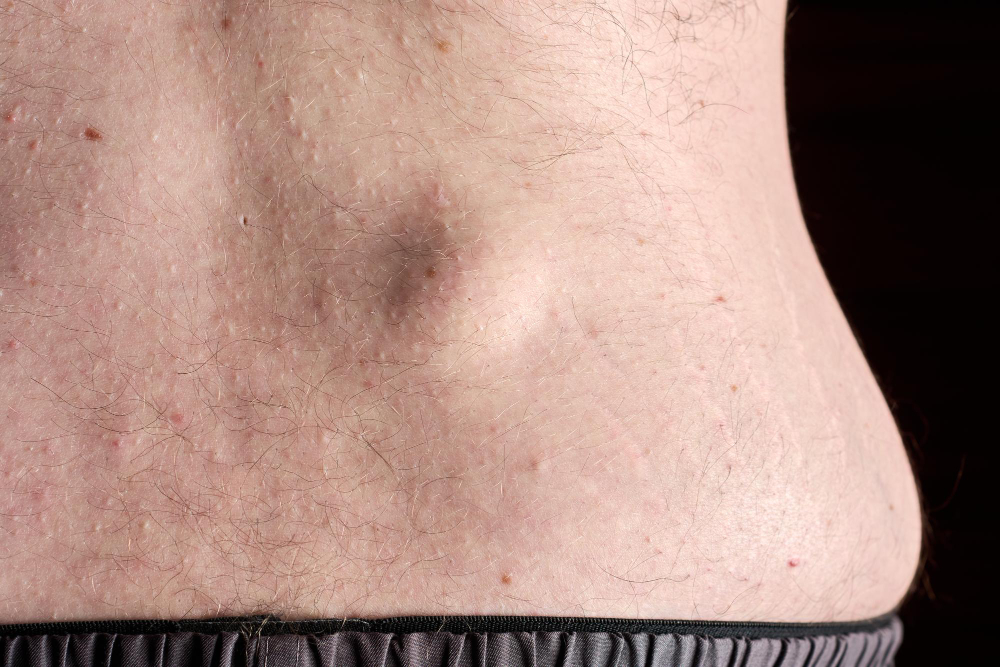
What is a Lipoma?
A lipoma is a soft, fatty lump that grows under the skin. Most lipomas are harmless and slow-growing. They are known as benign tumors, which means they are not cancer. Because lipomas are made of fat cells, they often feel soft and move easily when touched. Many people notice them on their arms, back, neck, or shoulders. However, lipomas can appear anywhere on the body. Understanding lipoma is important because it helps you know when to seek care and what to expect.
Causes of Lipoma
Doctors are not sure exactly what causes a lipoma. However, several factors may increase your risk. For example, lipomas can run in families, so genetics may play a role. Some people develop lipomas after an injury, but this is rare. In most cases, there is no clear reason why a lipoma forms. Even so, knowing the possible causes can help you understand your condition better.
Symptoms of Lipoma
Most lipomas do not cause pain. Still, some people may notice discomfort if the lump presses on nerves or grows near joints. Lipomas are usually easy to spot because they have certain features. For instance, they are soft, round, and move under the skin. Although lipomas are usually small, some can grow larger over time.
How is Lipoma Diagnosed?
Doctors can often diagnose a lipoma by looking at and feeling the lump. However, sometimes more tests are needed. For example, if the lump is hard, growing quickly, or painful, your doctor may order an ultrasound or MRI. These tests help rule out other types of soft tissue growths. In rare cases, a biopsy may be done. This means a small sample of the lump is tested in a lab to make sure it is not cancer.
Treatment Options for Lipoma
Most lipomas do not need treatment. However, some people choose to remove them for comfort or appearance. If the lipoma is painful, growing, or causing problems, your doctor may suggest removal. There are several ways to treat a lipoma. For instance, surgery is the most common method. Sometimes, doctors use liposuction to remove the fatty lump. Your doctor will help you decide which option is best for you.
In most cases, lipomas do not return after removal. Still, new lipomas can form in other areas.
Prevention and Lifestyle Guidance
There is no sure way to prevent a lipoma. Because most lipomas are linked to genetics, lifestyle changes may not stop them from forming. However, staying healthy and watching for new lumps can help you catch problems early. If you notice any new or changing lumps, talk to your doctor. Early care can make a difference.
When to See a Doctor
Most lipomas are harmless. However, you should see a doctor if you notice any of the following:
Early evaluation helps rule out other conditions and ensures you get the right care.
Consult a specialist at Dr. N Venkatesh‘s clinic for personalized guidance on lipoma diagnosis and treatment.